














Most movements used in replica watches today are produced by Chinese movement manufacturers, primarily located in Tianjin, Shanghai, and Dandong.
These factories manufacture clone versions of classic Swiss ETA movements, or develop highly modified replicas of in-house movements from brands such as Rolex and Omega. These may include fully integrated movements (“super clones”) or modified calibers with added decorative plates to replicate the appearance of genuine movements.
Replica watch factories (such as N Factory, VS Factory, Clean Factory, ZF Factory, etc.) then source these movements and assemble the final watches.
A small number of higher-end or ultra-thin models use imported Japanese movements, such as Citizen/Miyota 9015 or 8215, but these represent a relatively small portion of the market and are typically used in models where reliability and slimness are prioritized.
Lower-end replicas may use more economical movements from smaller manufacturers such as Hangzhou or Mingzhu.
The Three Major Movement Manufacturers in the Replica Market
Based on usage frequency, reputation, and adoption by top-tier factories, the following three manufacturers are widely considered the core suppliers:
1. Seagull Movement Factory (Tianjin Seagull Watch Group)
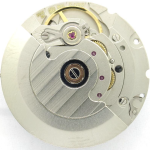
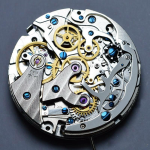
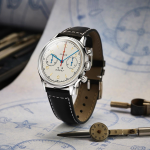
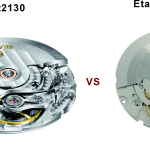
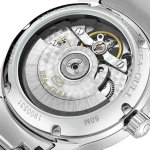
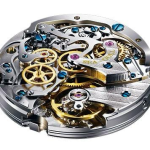
Seagull is the most widely used and historically established movement supplier in the replica watch industry. It is also one of the largest mechanical movement manufacturers in the world, accounting for approximately 25% of global production. Its origins date back to the Tianjin Watch Factory (founded in 1955), which introduced Swiss equipment and technology early on.
Common clone models:
Primarily clones of ETA 2824, 2836, and 2892 (standard automatic three-hand movements)
Position in replica watches:
Historically used by nearly all major factories (such as N Factory and V6 Factory) in models like Omega Seamaster, Cartier Ballon Bleu, and certain AP models. It remains a versatile and reliable choice, especially in watches with closed casebacks where movement aesthetics are not visible.
Pros:
Affordable
Highly reliable and durable
Stable timekeeping
Low failure rate
Cons:
- Moderate power reserve (approx. 40–50 hours)
- Lower visual accuracy in exhibition caseback watches compared to dedicated super clone movements
Many enthusiasts consider its real-world performance comparable to entry-level Swiss ETA movements.
2. Dandong Movement Factory (Liaoning Dandong)
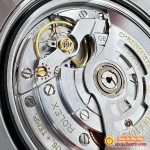
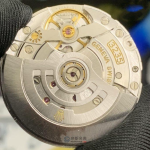
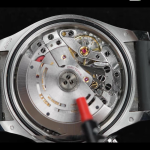
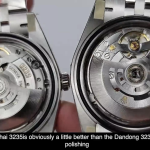
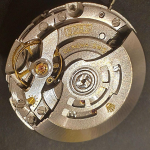
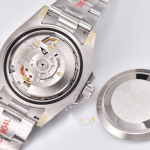
Dandong has become the most talked-about and highly regarded movement manufacturer in recent years, particularly in Rolex replicas, where it is often considered the high-end standard.
Founded in 1957, it is one of China’s earliest watch manufacturers and previously produced the Peacock brand.
Common clone models:
- Dandong 4130 (Rolex Daytona chronograph clone, SL-4510)
- Dandong 3135 / 3235 (Rolex automatic movements)
- Dandong 3285 (GMT models)
- Improved 7750 chronograph variants
Position in replica watches:
Widely used by top-tier factories such as VS Factory, Clean Factory, N Factory, and BT Factory. Especially dominant in Rolex Submariner, Daytona, and GMT models, including those with exhibition or semi-exhibition casebacks.
The Dandong 3235 is often advertised with a 72-hour power reserve (real-world typically around 69–70 hours), significantly outperforming Shanghai equivalents.
Pros:
- Long power reserve
- High accuracy
- Structure closely matches genuine movements (often fully integrated designs)
- Excellent finishing and engraving details
Cons:
- Higher cost
- Earlier supply limitations (once exclusive to certain factories like VS)
- Slightly higher failure rate in complex chronograph models compared to simpler movements
Many collectors believe Dandong movements now approach or even surpass entry-level Swiss movements in performance.
3. Shanghai Movement Factory (Shanghai Watch Factory)
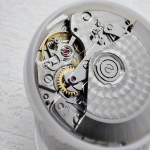
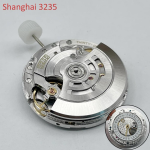
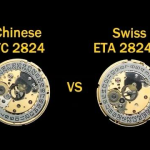
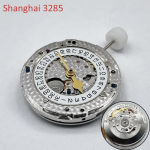
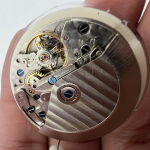
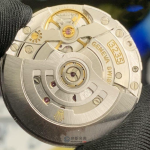
Shanghai is a long-established Chinese movement manufacturer, best known for its 7750 chronograph movements, which are widely used in replica chronograph watches.
Common clone models:
- Shanghai 7750 (ETA 7750 clone, widely used in chronographs such as IWC Portugieser and Panerai models)
- Shanghai 3135 / 3235 (Rolex movement clones)
Position in replica watches:
Extensively used by factories like N Factory, ZF Factory, and JF Factory, particularly in complex chronograph watches. Also commonly found in Rolex Submariner and Datejust replicas.
Pros:
- Reliable chronograph functionality
- Good stability
- Strong cost-performance ratio
Cons:
- Shorter power reserve (approx. 40–45 hours)
- Gradually being replaced by Dandong movements in “long power reserve” models
Overall, Shanghai movements remain a core workhorse in the replica watch industry.
Summary and Buying Advice
General trends:
- Standard automatic three-hand watches → typically use Seagull movements
- High-end Rolex replicas (especially 3235 / 4130) → Dandong is preferred for superior power reserve and realism
- Chronograph and complex watches → usually Shanghai or Dandong 7750 variants
Top-tier factories (such as VS and Clean) may also develop custom integrated movements or add decorative plates to further improve visual accuracy.
Practical advice:
When choosing a replica watch, the most important factors are:
- Overall finishing and build quality
- Water resistance
- Dial, case, and detail accuracy
The movement mainly affects:
- Timekeeping stability
- Power reserve
- Visual realism (especially in exhibition casebacks)
- Seagull → reliable, durable, and sufficient for most users
- Dandong → more advanced and enthusiast-oriented
- Avoid overvaluing “Swiss ETA” claims — in most cases, these are either clones or extremely limited grey-market units with poor value